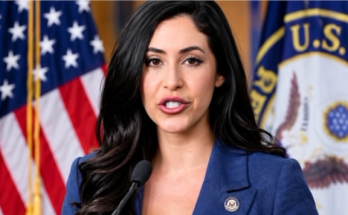
Rising Gas Prices May Not Change the Political Priorities of Some Republican Voters
Rising fuel prices often create economic pressure on American households and can become a major issue in political debates. While some political observers believe higher gasoline costs could weaken Republican support, many conservative voters say their political decisions are shaped by concerns that extend beyond the economy.
For these voters, issues such as national security, immigration, cultural values, and the direction of the country remain central to their political convictions. Although higher prices at the pump can strain family budgets, some Republicans view these financial challenges as less important than what they consider the broader consequences of federal policies.
This perspective highlights a distinction between voters who approach elections primarily through economic considerations and those whose choices are rooted in long-standing ideological beliefs. For the latter group, support for the Republican Party is not simply a response to short-term economic conditions but reflects a wider set of political priorities.
Gas prices nevertheless remain an important concern for millions of Americans, regardless of party affiliation. Changes in fuel costs can affect commuting expenses, household budgets, transportation businesses, and the prices of goods and services.
Whether rising gasoline prices significantly influence future elections will depend on several factors, including the broader economic situation, candidates’ policy proposals, and voters’ assessments of the alternatives.
Ultimately, the issue illustrates how economic pressures and deeply held political convictions can interact in shaping voter attitudes across the United States.